
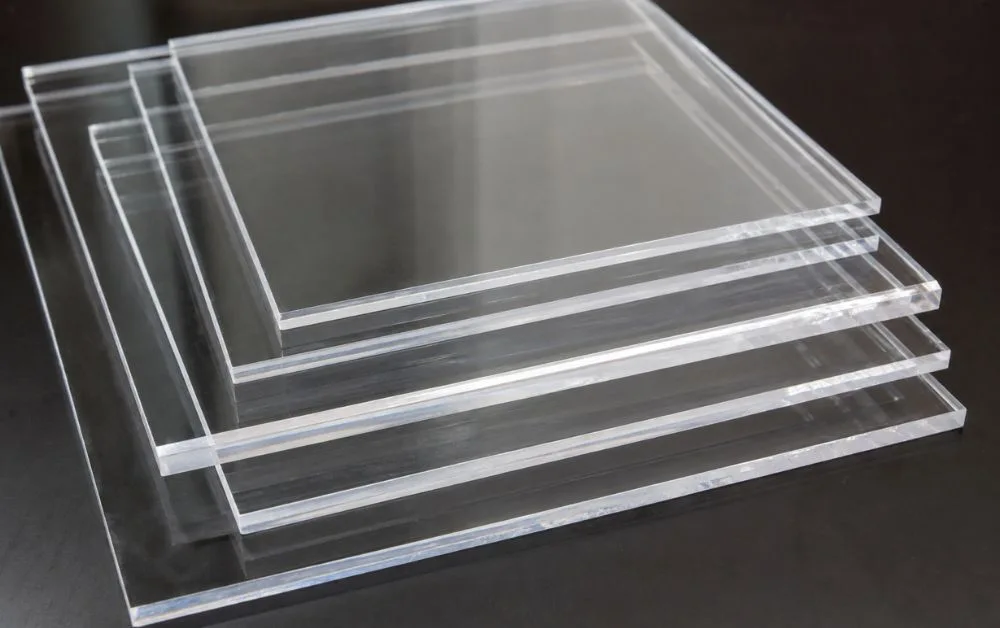
Acrylic sheet is one of the most widely used materials in Dubai’s fabrication, signage, retail, and construction sectors — and for good reason. It is versatile, available in an extraordinary range of types and specifications, workable with standard fabrication equipment, and capable of delivering visually impressive results across a huge variety of applications. But selecting the right acrylic sheet for a specific application requires understanding the significant differences between product types, grades, and specifications. Working with a knowledgeable Acrylic Sheets Supplier in Dubai ensures you get the right material for your project from the outset, avoiding the costly mistakes that come from specifying the wrong grade or type.
The Two Fundamental Types: Cast vs Extruded Acrylic
All acrylic sheet falls into one of two manufacturing categories: cast or extruded. Understanding the difference is fundamental to correct specification.
Cast Acrylic
Cast acrylic is produced by pouring liquid monomer between two glass plates and allowing it to polymerize into a solid sheet. This slow manufacturing process produces a material with very consistent thickness tolerance, excellent optical clarity, superior surface hardness, and better resistance to UV degradation than extruded acrylic. Cast acrylic also produces a significantly better laser-cut edge — polished and optically clear — making it the preferred choice for applications where edge finish is visible, such as awards, display cases, and edge-lit signage.
Cast acrylic is more expensive than extruded acrylic of the same dimensions, but for applications where optical quality, laser processing, and long-term color stability matter, it is the correct specification.
Extruded Acrylic
Extruded acrylic is produced by forcing molten acrylic through a die to create a continuous sheet. This faster process makes it more economical than cast acrylic, but the resulting material has lower surface hardness, less consistent thickness, and a slightly softer laser response that produces a less polished cut edge. For applications where laser cutting is not required — such as thermoforming, mechanical cutting for opaque or semi-opaque products, or general glazing applications — extruded acrylic is perfectly appropriate and offers good value.
Acrylic Sheet Variants and Their Applications
Clear Acrylic Sheet
The most commonly specified type, clear acrylic sheet is used in signage light boxes, display cases, glazing panels, machine guards, and any application where optical transparency is required. Available in cast and extruded grades, thicknesses from 1.5mm to 50mm and beyond.
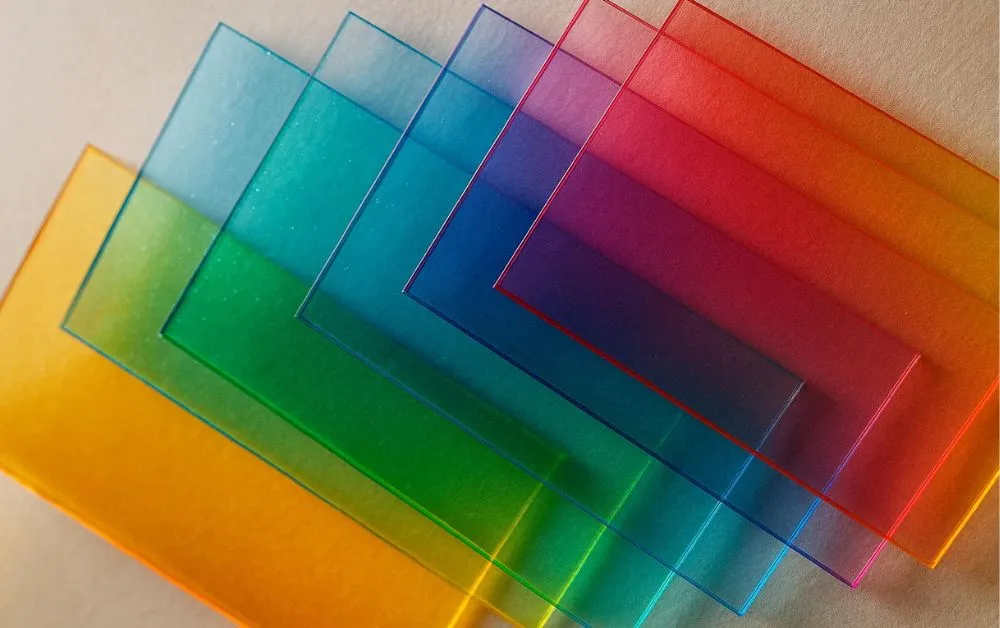
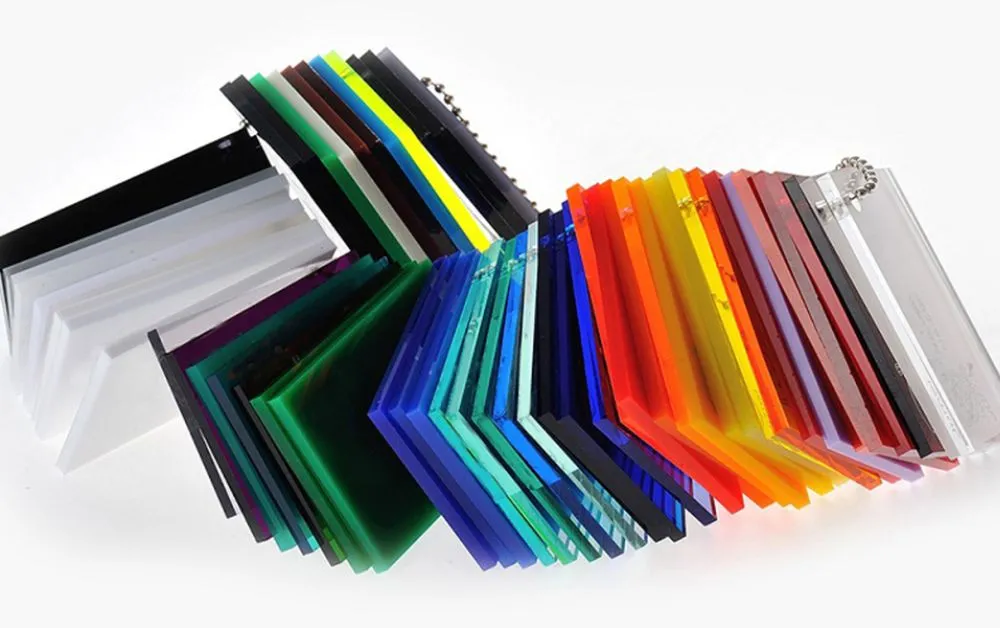
Coloured Acrylic Sheet
Available in hundreds of standard colors and custom-matched shades, coloured acrylic is used in signage letters and logos, decorative panels, retail display fixtures, and award trophies. The color is consistent throughout the thickness of the sheet — not a surface coating — which means cut edges display the same color as the face.
Frosted and Satin Acrylic
Frosted acrylic has a translucent, matte surface that diffuses light while maintaining a degree of light transmission. It is widely used in office partition glazing where privacy is required without blocking natural light, in illuminated signage where even light distribution is needed, and in decorative panel applications.
Mirror Acrylic
Mirror-finish acrylic provides a reflective surface at a fraction of the weight of glass mirrors and with much greater impact resistance. Used in gym walls, retail display backings, and decorative interior panel applications.
Also Read-Why Acrylic Sheets Are the Go-To Choice for Signage, Displays, and Interiors
UV-Resistant and Impact-Modified Grades
For outdoor applications, UV-resistant grades that incorporate UV stabilizers maintain color and clarity stability under prolonged sun exposure. Impact-modified acrylic grades provide enhanced resistance to breakage, making them appropriate for applications where the risk of impact is higher than normal.
How to Select the Right Acrylic Sheet for Your Project
- Define the application: What will the sheet be used for? This determines the required transparency, thickness, and surface specification.
- Determine the processing requirements: Will the sheet be laser cut? Use cast acrylic for best edge quality. Thermoformed? Extruded acrylic is often more suitable.
- Consider the environment: Indoor or outdoor? UV-stabilized grades are essential for outdoor use in Dubai’s high-UV environment.
- Specify thickness correctly: thicker sheets resist deflection better but cost more and are harder to bend. Match thickness to the structural requirements of the application.
- Check color requirements: If a specific brand color is needed, confirm it can be matched in the acrylic type required for the application.
Acrylic Market: Your Acrylic Sheets Supplier in Dubai
Acrylic Market stocks a comprehensive range of acrylic sheet products covering all the types and grades described in this guide, available in standard sheet sizes and cut-to-size as required. Their knowledgeable team helps clients specify the right material for each application, preventing costly misspecification and ensuring that the material chosen delivers the intended result in the finished product.
Conclusion
Selecting the correct acrylic sheet type, grade, and specification is the first step in any successful acrylic fabrication project. The differences between cast and extruded acrylic, between UV-resistant and standard grades, and between the many available surface finishes are meaningful and directly affect the quality of the finished product. Acrylic Market is the knowledgeable Acrylic Sheets Supplier in Dubai that UAE businesses trust for correct specification guidance, quality materials, and reliable supply — making every acrylic project start on the right foundation.