
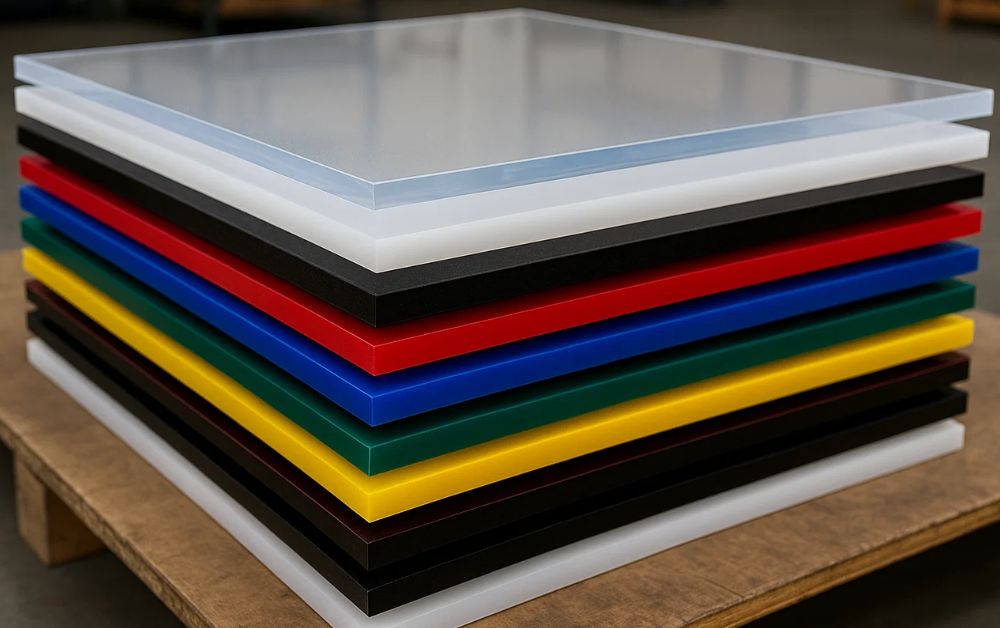
In today’s saturated retail environment, securing attention the moment a customer walks in is half the battle. One of the most viable yet overlooked tools in your display arsenal is literally transparent: acrylic sheets. Be it crafting bespoke pedestals, wall panels, display stands, or suspended elements, acrylic offers a sleek, modern finishing touch that subtly elevates your retail space. In this blog, we’ll show how you can use acrylic sheets to design eye-catching retail displays-and why working with an experienced Acrylic Sheets Supplier in Dubai is a smart move.
Introduction
Retail displays need to do more than hold product; they need to tell a story, engage the shopper, and direct focus. Traditional materials-wood, metal, or glass have their place, but acrylic brings some very distinct advantages. Offering great clarity, light‑weight handling, ease of fabrication, and high design flexibility, acrylic sheets open up many creative options. A reliable supplier, such as those you find under the umbrella of the branded entity Acrylic Market in Dubai, underscores the importance of working with professionals who understand the material.
Below, we will discuss design principles, material selection, and fabrication tips that you can use to make an appealing display.
Why Acrylic Sheets Work for Retail Displays
- Transparency and Light Management: Acrylic sheets present near glass clarity, besides being lighter in weight and easier to bend. They allow back-lighting, shadow play, and visually ‘floating’ elements.
- Diversity in fabrication: Among the fabrication services listed by a good supplier of acrylic, one finds laser cutting, bending, UV printing, acrylic bonding, and polishing. All these possibilities enable one to go further than simple flat panels: you can make curved parts, custom shapes, mounts, stands, etc.
- Durability and maintenance: Acrylic are shatter-resistant compared to glass and easier to handle on a busy retail floor.
- Branding integration: Through clear stand‑outs, printed graphics, colored acrylic sheets, or even LED‑lit forms, the brand identity is integrated within the display.
- Modularity and adaptability: Because it relatively cost‑effective and easy to re‑work, acrylic lends itself well to seasonal change‑outs, promotional displays, or modular units.
Step‑by‑Step: Designing Your Acrylic Display
1. Define your objective and traffic path
Before selecting acrylic sheets, consider the following questions: What do I want the shopper to see and feel? What is my main product or message? How will people approach your display? Use flow‑mapping to identify vantage points and sight‑lines.
2. Choose the right sheet thickness and finish.
Sheets of acrylic are available in various thicknesses, such as 3 mm, 5 mm, 10 mm, and so on. Thicker sheets provide structural strength, necessary for pedestals or free‑standing units. Thinner sheets are suitable for graphic overlays or shelf backs. Also, consider polished edges versus raw cut edges, depending on whether you want a refined or industrial finish.
3. Fabrication techniques selection
- Cutting & routing: To produce shapes that are unique and fit your branding.
- Bending: Enables creating smooth curved edges or wrapping elements around displays.
- Bonding & welding: In joining acrylic parts invisibly and making seamless joints.
- Printing or etching: UV printing right onto acrylic sheets allows graphics or brand messaging to live on the material, or you can etch or engrave logos.
- Lighting integration: Edges of transparent acrylic sheets catch light beautifully when strips of LED are embedded therein, developing a glowing edge that creates visual attraction.
4. Play with contrast and layering.
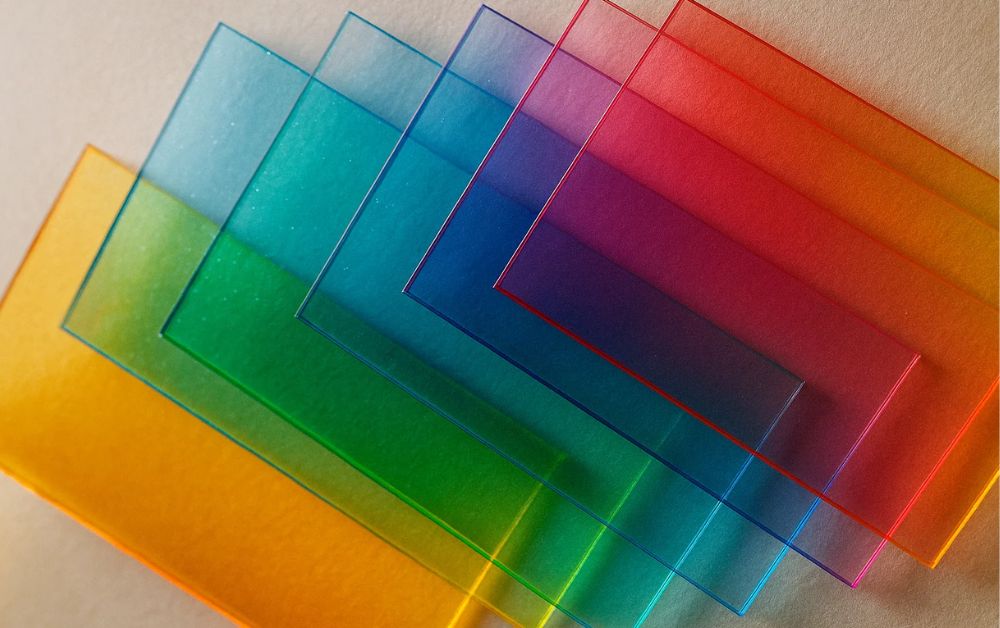
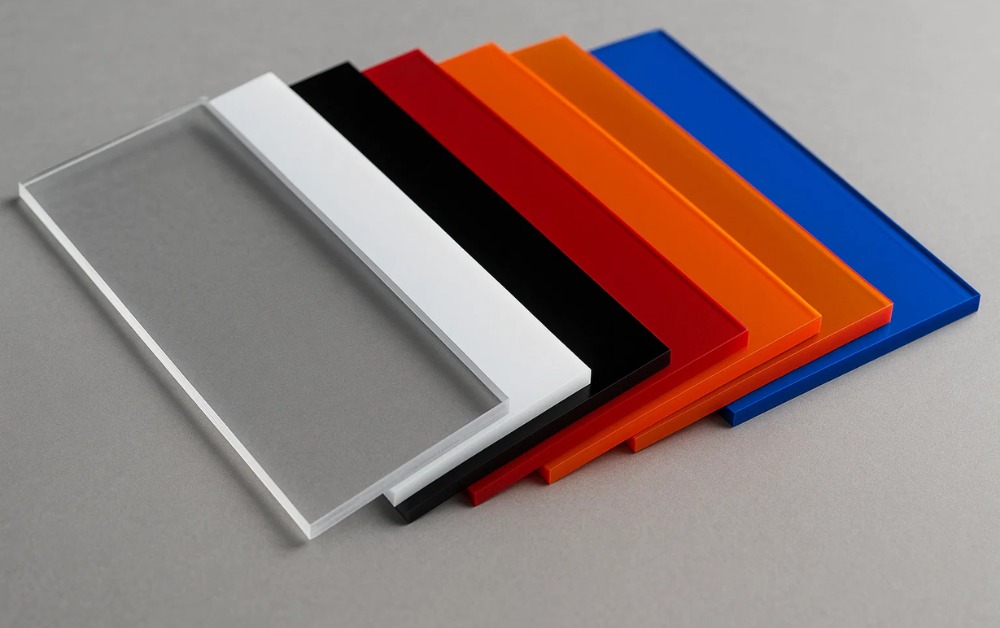
Use acrylic sheets both as primary display surfaces and as subtle overlays. For example, a transparent sheet with a product placed behind it creates depth. A coloured acrylic back‑panel highlights a neutral product. Layering clear and coloured sheets adds dimensionality.
5. Plan for maintenance and durability
While acrylic is robust, it is liable to scratch or collect dust. Where appropriate, choose “scratch‑resistant” acrylic sheets. Keep cleaning protocols simple using micro‑fibre cloths. Also consider ease of replacement — if your setup is modular, you can replace graphic overlays or coloured panels seasonally.
Creative Display Ideas Using Acrylic Sheets
- Floating shelf wall. Use thick, transparent acrylic sheets installed with hidden hardware to give the appearance that products float. Utilize colored acrylic back-panels on every shelf zone to brand each zone.
- Suspended acrylic boxes: transparent cubes that are hung from the ceiling/light track; each holding a star product creates intrigue and multi‑level visual interest.
- Edge-lit display plinths: clear acrylic pedestals with internal LED edge lighting provide a glowing halo effect to hero products.
- Graphic overlay walls: Cut large acrylic sheets to size, print brand messaging or graphics directly onto them, and overlay on plain walls to combine architecture and branding.
- Modular pop-up units: Light, acrylic components which can be easily reconfigured for promos or seasonal campaigns, easy to assemble and store.
Sourcing and Working with a Supplier
There are several checkpoints when choosing an Acrylic Sheets Supplier in Dubai:
- Material quality: Clear, bubble-free acrylic sheets of specified thickness and branded resin to ensure clarity and strength.
- Fabrication Capabilities: The supplier should handle laser cutting, bending, welding, and finishing in-house to enable full customization.
- Lead times and installation support: Retail projects often have tight deadlines; choose a supplier that can supply the material while also supporting or managing the installation when required.
- Finished looks and references: Review past work or visit existing installations.
- Cost‑effectiveness and Sustainability: Determine the cost of the sheet, fabrication cost, and fit‑out logistics. Also, inquire about eco‑friendly resins or recycling options if sustainability is of importance to your brand.
Avoiding Common Mistakes
- Try not to use acrylics that are too thick if it’s not necessary, as this can make displays heavy and more costly.
- Edge finishing should not be overlooked; rough or raw edges on clear acrylic take away the premium feel.
- Be wary of over‑lighting, as too much glare or reflection from acrylic surfaces can distract from rather than enhance your product.
- Always design with the potential for changing content; rigid acrylic installations that can’t be updated may look dated quickly—design for flexibility.
Conclusion
In a world where first impressions count, the intelligent use of acrylic sheets can turn humble retail displays into show-stopping brand experiences. From choice of thickness and methods of fabrication to integrating lighting and layering techniques, acrylic provides a strong set of tools for the modern retailer. By partnering with a reputable Acrylic Sheets Supplier in Dubai offering advanced fabrication and finish capabilities, you open up endless possibilities to design eye-catching, on-brand retail installations that capture attention and drive conversion.